




Virginia vs. North Carolina Landlord Laws: What Rental Property Owners Need to Know
Owning rental property in both Virginia and North Carolina can be a great investment strategy, especially in growing markets across Hampton Roads and Northeast North Carolina. However, landlords operating in both states quickly discover that landlord-tenant laws are not exactly the same.
Understanding these differences is critical for protecting your investment, avoiding legal mistakes, and maintaining positive tenant relationships.
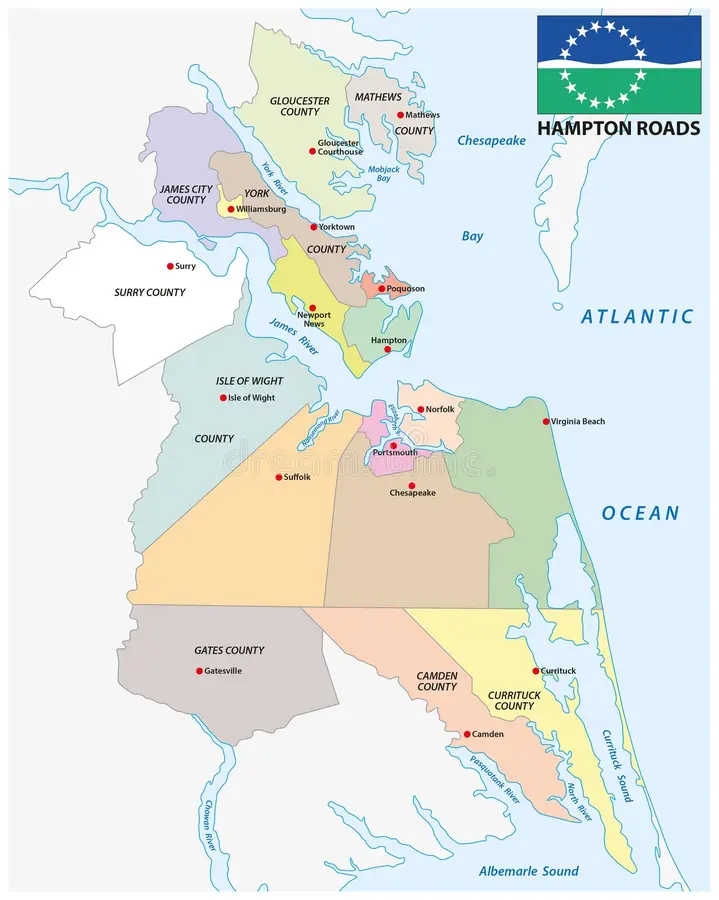
At CWR Investments LLC, we help landlords and real estate investors manage rental properties in Southeast Virginia and Northeast North Carolina (primarily Chesapeake, Virginia Beach, Norfolk in VA and Camden/Pasquotank Counties in NC). Here’s a practical breakdown of the key legal differences every property owner should know.
Security Deposit Rules
One of the biggest differences between Virginia and North Carolina involves security deposit regulations.
Virginia Security Deposit Laws
Under Virginia law:
- Security deposits are capped at two months’ rent
- Landlords must return the deposit within 45 days after lease termination
- Hold security deposits in an Escrow Account
- Landlords may deduct for:
- Unpaid rent
- Damage beyond normal wear and tear
- Late fees
- Utility charges
Virginia landlords are also required to provide an itemized list of deductions if any amount is withheld.
North Carolina Security Deposit Laws
North Carolina handles deposits differently:
- The maximum deposit depends on lease length
- Weekly leases: up to 2 weeks’ rent
- Monthly leases: up to 1.5 months’ rent
- Longer leases: up to 2 months’ rent
North Carolina also requires landlords to:
- Hold deposits in a trust account or post a bond
- Notify tenants where the deposit is being held
- Return deposits within 30 days when possible
For landlords managing properties in both states, these administrative differences are important to track carefully.
Eviction Process Differences
Evictions are another area where Virginia and North Carolina differ significantly.
Virginia Eviction Rules
Virginia typically allows landlords to move relatively quickly if procedures are followed correctly.
Common notice periods include:
- 5-day pay-or-quit notice for unpaid rent
- 30-day notice for lease violations in many situations
Virginia courts generally require strict compliance with lease terms and notice procedures.
North Carolina Eviction Rules
North Carolina eviction procedures may involve:
- 10-day demand for unpaid rent
- Court filings through small claims court
- Sheriff-supervised lockouts after judgment
The timeline can vary by county and court availability.
Because eviction laws frequently change, landlords should always confirm current requirements before proceeding.
Property Maintenance Responsibilities
Both states require landlords to provide habitable housing, but enforcement and expectations may vary.
Virginia Requirements
Virginia landlords must:
- Maintain plumbing, heating, and electrical systems
- Keep properties structurally safe
- Address mold, moisture, and habitability concerns promptly
This is especially important in coastal areas like Norfolk and Virginia Beach, where humidity and storm exposure can accelerate property damage.
North Carolina Requirements
North Carolina landlords must also:
- Maintain safe living conditions
- Repair unsafe structural issues
- Comply with local building and housing codes
Rural properties in Northeast North Carolina may face unique maintenance challenges related to septic systems, drainage, and weather exposure.
Lease Agreement Differences
While both states allow flexibility in lease agreements, there are some practical distinctions.
Virginia Leases
Virginia landlords often include:
- Military clause provisions due to the large military population
- HOA compliance language
- Utility responsibility details
- Maintenance reporting requirements
Military relocation clauses are particularly important throughout Hampton Roads.
North Carolina Leases
North Carolina leases commonly emphasize:
- Deposit handling disclosures
- Property condition documentation
- Maintenance access procedures
- Pest control responsibilities
Using state-specific lease templates is highly recommended.
Late Fees and Rent Collection
Virginia
Virginia allows reasonable late fees but imposes legal limits depending on rental type and lease structure.
North Carolina
North Carolina also limits late fees and specifies when they may be charged.
Improper fee structures can create compliance issues in either state.
Why Professional Property Management Matters
Managing rental property across state lines can quickly become complicated. Legal compliance, tenant communication, maintenance coordination, and rent collection all require attention to state-specific laws.
Professional property management helps landlords:
- Stay compliant with changing regulations
- Reduce vacancy time
- Screen tenants effectively
- Handle maintenance efficiently
- Avoid costly legal mistakes
At CWR Investments LLC, we work with landlords throughout Southeast Virginia and Northeast North Carolina to simplify rental property ownership and protect long-term investment performance.
Final Thoughts
Virginia and North Carolina share many similarities, but their landlord-tenant laws contain important differences that property owners should never overlook.
Whether you own one rental property or a growing portfolio, understanding these rules can help reduce risk and improve your overall investment experience.
If you need help managing rental properties in Hampton Roads or Northeast North Carolina, contact CWR Investments LLC today to learn more about our professional property management services.
Disclaimer: This article is for informational purposes only and does not constitute legal advice. Landlord-tenant laws may change, and regulations can vary by locality. Property owners should consult a qualified attorney or property management professional regarding their specific situation.